> For the complete documentation index, see [llms.txt](https://docs.algebra.finance/algebra-integral-documentation/llms.txt). Markdown versions of documentation pages are available by appending `.md` to page URLs; this page is available as [Markdown](https://docs.algebra.finance/algebra-integral-documentation/algebra-v1-technical-reference/contracts/adaptive-fee/how-to-tweak-formula-behaviour.md).
# How to tweak formula behaviour
Sigmoid coefficients Fee calculation can be tuned by the following parameters:
  struct Configuration {
    uint16 alpha1; // max value of the first sigmoid
    uint16 alpha2; // max value of the second sigmoid
    uint32 beta1; // shift along the x-axis for the first sigmoid
    uint32 beta2; // shift along the x-axis for the second sigmoid
    uint16 gamma1; // horizontal stretch factor for the first sigmoid
    uint16 gamma2; // horizontal stretch factor for the second sigmoid
    uint32 volumeBeta; // shift along the x-axis for the outer volume-sigmoid
    uint16 volumeGamma; // horizontal stretch factor the outer volume-sigmoid
    uint16 baseFee; // minimum possible fee
  }
Adaptive fee function is a combination of several sigmoids. The plot of the standard sigmoid function looks like this:
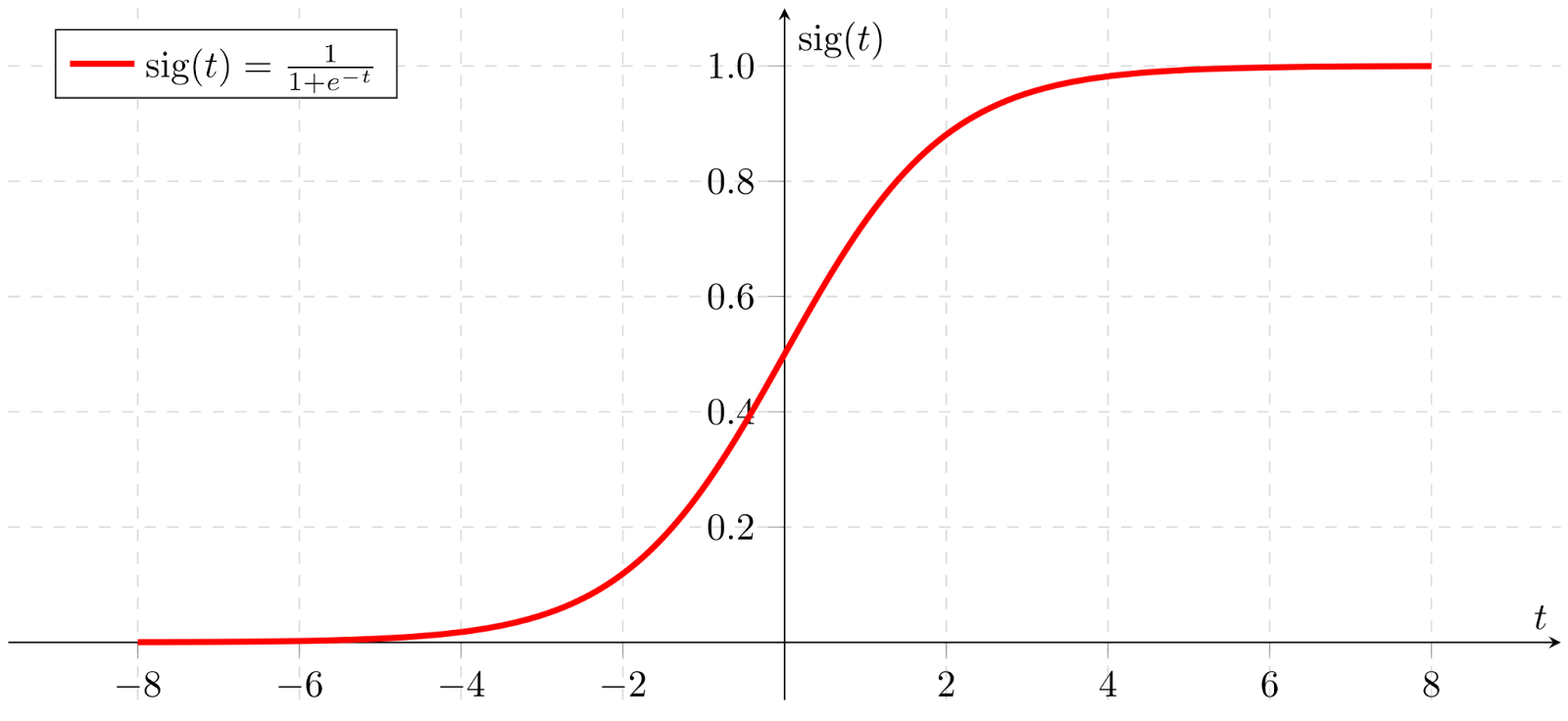
We use a more flexible formula for sigmoids:

So additional params (alpha, gamma, beta) allow us to shift, stretch and modify sigmoids.

Default params:
      2900, // alpha1
      12000, // alpha2
      360, // beta1
      60000, // beta2
      59, // gamma1
      8500, // gamma2
      0, // volumeBeta
      10, // volumeGamma
      100 // baseFee
So
max fee value is: `baseFee` + `alpha1` + `alpha2` min fee value is: `baseFee`
midpoint of the first sigmoid: `beta1` midpoint of the second sigmoid: `beta2`
sigmoid “jump” “starts” around `beta - 6 * gamma`, ends around `beta + 6 * gamma`

`alpha1`, `alpha2`, `beta1`, `beta2`, `gamma1`, `gamma2` – coefficients for volatility sigmoids. [`volumeBeta`, `volumeGamma`](#user-content-fn-1)[^1] – coefficients for volume sigmoid
[^1]: removed in Integral
---
# Agent Instructions
This documentation is published with GitBook. GitBook is the documentation platform designed so that both humans and AI agents can read, navigate, and reason over technical content effectively. Learn more at gitbook.com.
## Querying This Documentation
If you need additional information that is not directly available in this page, you can query the documentation dynamically by asking a question.
Perform an HTTP GET request on the current page URL with the `ask` query parameter, and the optional `goal` query parameter:
```
GET https://docs.algebra.finance/algebra-integral-documentation/algebra-v1-technical-reference/contracts/adaptive-fee/how-to-tweak-formula-behaviour.md?ask=&goal=
```
`ask` is the immediate question: it should be specific, self-contained, and written in natural language.
`goal` is optional and describes the broader end goal you are ultimately trying to accomplish on behalf of the user. GitBook uses it to tailor the answer towards what is most useful for that goal.
The response will contain a direct answer to the question and relevant excerpts and sources from the documentation.
Use this mechanism when the answer is not explicitly present in the current page, you need clarification or additional context, or you want to retrieve related documentation sections.